How to tell them apart
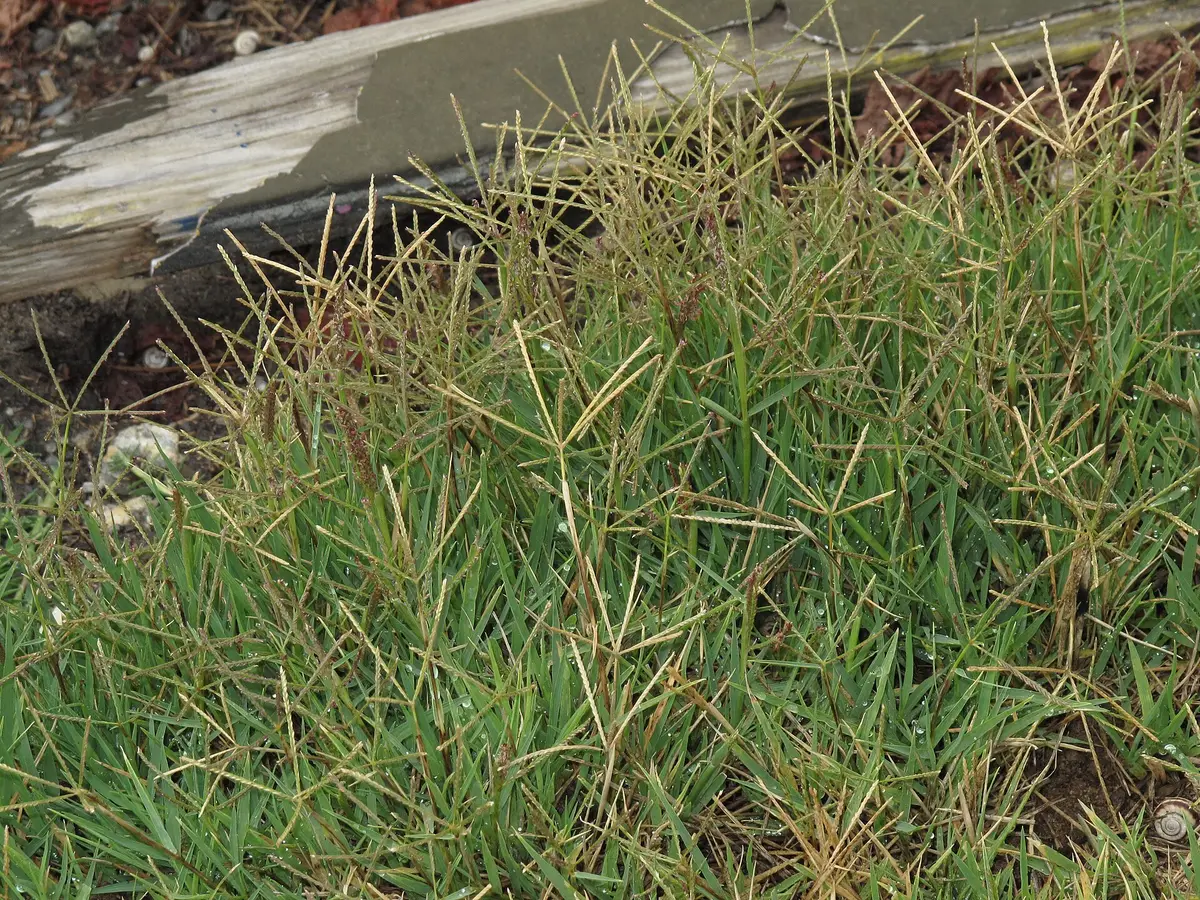
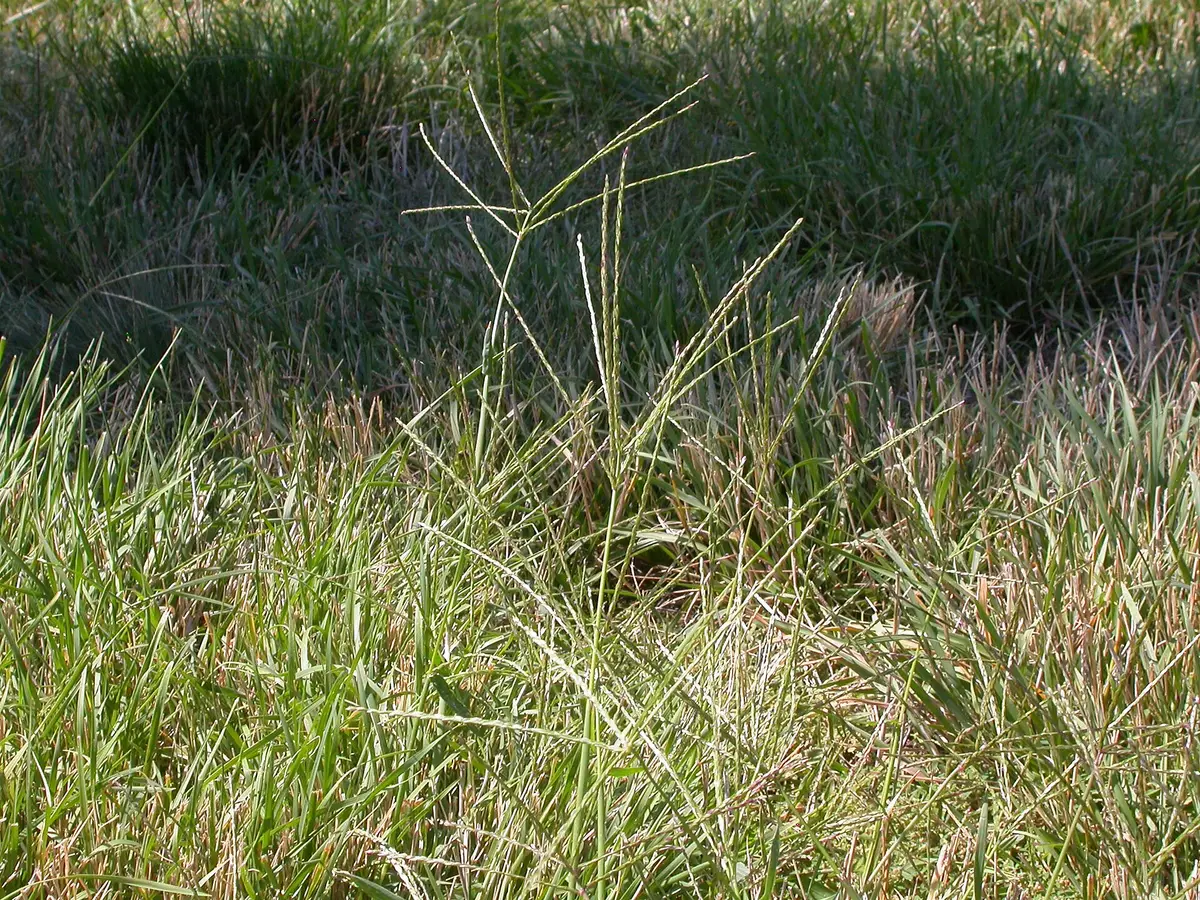
- Winter color. Cool-season lawns stay at least partly green through winter. Warm-season lawns turn straw-brown after the first hard frosts and stay brown until late spring.
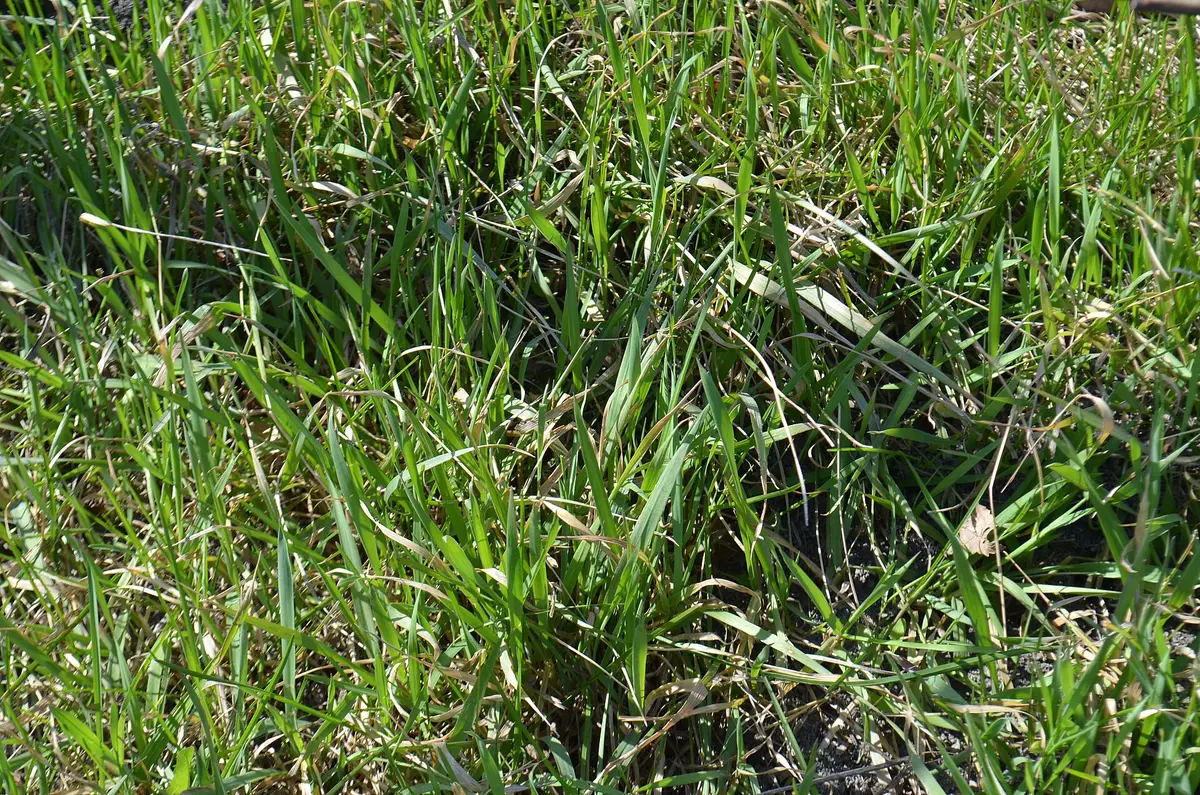
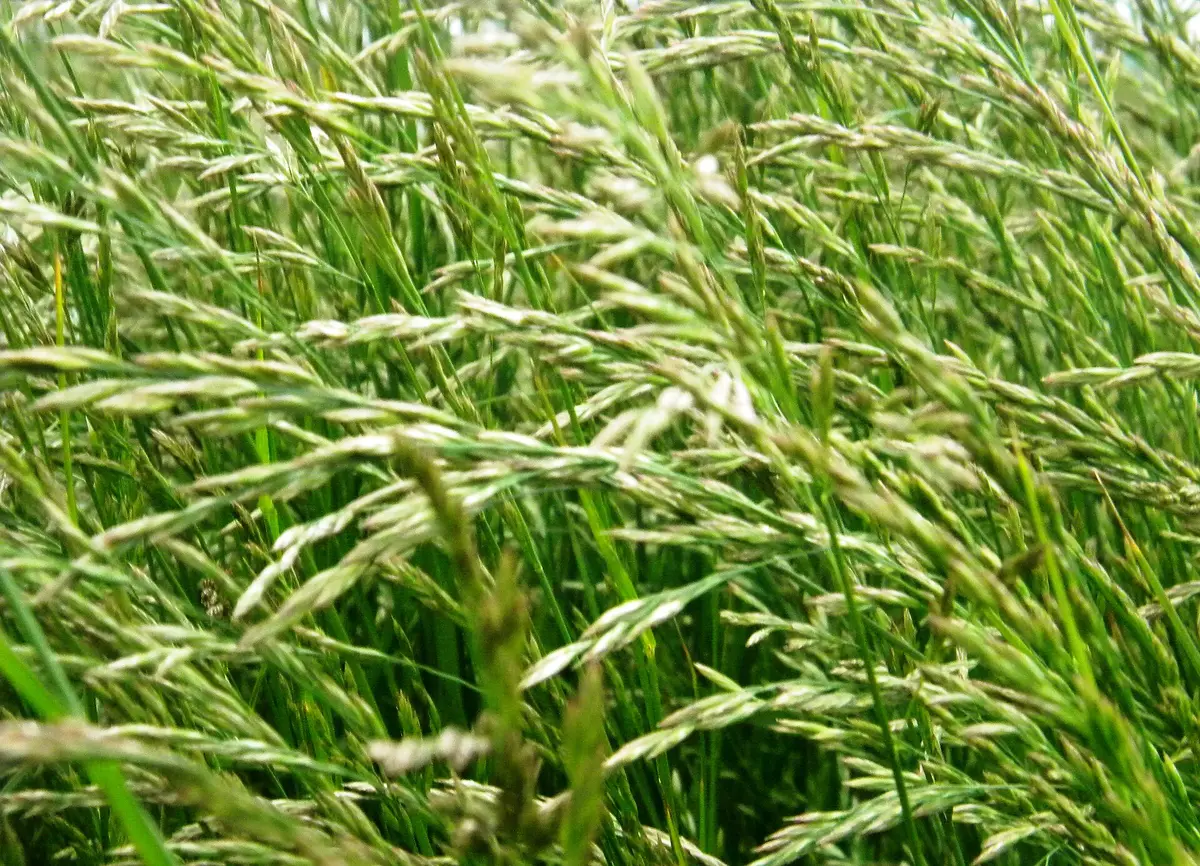
- How it spreads. Bermudagrass, zoysia, St. Augustine and centipede creep with runners over the surface or underground. Tall fescue and ryegrass grow in clumps; Kentucky bluegrass spreads by underground stems but never makes the wiry surface runners bermudagrass does.
- Summer behavior. Cool-season grass slows and may brown in a long hot, dry spell. Warm-season grass grows fastest in July and August.
Why it changes your calendar
Cool-season grass grows best with soil around 50 to 65°F, so it is seeded and fed most heavily in late summer and fall. Warm-season grass needs soil above about 65°F, so it is seeded and fed from late spring through summer. Crabgrass pre-emergent timing is the same for both, because it follows the weed, not the lawn.
How we classify cities
We use each weather station's January normal temperature from NOAA's 1991–2020 normals: under 35°F is cool-season country, 35 to 46°F the transition zone, and above that warm-season country. It is a rule of thumb: elevation, irrigation and shade all move the line, and plenty of lawns in each zone grow the other kind.