What to do in Reading now
Reading is in cool-season grass country. Dates are typical for this spot, worked out from 23 years of weather at Reading Regional Airport; each status uses this year's soil estimates.
Cool-season: tall fescue, Kentucky bluegrass, perennial ryegrass, fine fescue
- Crabgrass pre-emergent Closed Apr 4 Typical: Apr 5 – Apr 172-inch soil held 55°F for a week from Apr 4, so crabgrass was sprouting. Next window: about Apr 5 – Apr 17, 2027.
- Seed or overseed Late · risky Typical: Sep 20 – Oct 28Soil fell below 55°F on Oct 25. Seed sown now germinates slowly and may not survive winter. The hard stop, 4-inch soil under 50°F, typically comes around Nov 7.
- Late-fall feeding Final feeding from about Nov 7 Typical: Nov 7 – Dec 3Not too late. Feed on your normal fall schedule; the last feeding of the year goes down when 4-inch soil falls to about 50°F (typically Nov 7) and before it reaches 40°F (typically Dec 3).
Warm-season: bermudagrass, zoysia, St. Augustine, centipede, bahia
- Crabgrass pre-emergent Closed Apr 4 Typical: Apr 5 – Apr 172-inch soil held 55°F for a week from Apr 4, so crabgrass was sprouting. Next window: about Apr 5 – Apr 17, 2027.
- Seed or sod Wait for late spring Typical: May 17 – Sep 20Warm-season seed needs 4-inch soil at 65°F or more, and seedlings need the rest of summer to establish. Next window opens about May 17.
- Fall pre-emergent (Poa annua) Germinating since Sep 24 Typical: By Sep 184-inch soil fell below 70°F on Sep 24, when annual bluegrass begins to sprout. A pre-emergent now only stops later flushes; plan to apply by about Sep 18 next year.
- Dormancy and last feeding Dormant since about Oct 25 Typical: Around Oct 284-inch soil has stayed under 55°F since Oct 25, so warm-season grass is going brown. It is too late to fertilize; feed again after spring green-up, once soil holds 65°F (typically May 17).
The last 60 days and the week ahead
Reading soil is 3° warmer than normal for Nov 3, warmer than on 75% of those dates since 2005, and 1° warmer than a year ago.
The green line is our estimate of the daily average soil temperature 2 inches down, driven by temperatures at Reading Regional Airport, 4.7 km from the city center. The dashed part runs the National Weather Service forecast through the same model. Hover or tap for any day.
2-inch soil, estimated From the NWS forecast Normal Normal range (8 years in 10)
Show the numbers
| Date | 2-inch soil | 4-inch soil | Air high / low | Normal (2 in) |
|---|---|---|---|---|
| Oct 21 | 54° | 56° | 67° / 38° | 55° |
| Oct 22 | 53° | 55° | 68° / 35° | 55° |
| Oct 23 | 52° | 54° | 61° / 39° | 55° |
| Oct 24 | 51° | 53° | 61° / 33° | 55° |
| Oct 25 | 50° | 52° | 63° / 31° | 54° |
| Oct 26 | 50° | 52° | 70° / 34° | 54° |
| Oct 27 | 51° | 53° | 65° / 43° | 53° |
| Oct 28 | 52° | 53° | 66° / 41° | 53° |
| Oct 29 | 53° | 54° | 68° / 42° | 52° |
| Oct 30 | 54° | 55° | 70° / 44° | 52° |
| Oct 31 | 52° | 54° | 60° / 38° | 51° |
| Nov 1 | 51° | 53° | 62° / 34° | 51° |
| Nov 2 | 51° | 53° | 66° / 38° | 50° |
| Nov 3 | 53° | 54° | 70° / 42° | 50° |
| Nov 4 (forecast) | 57° | 57° | 75° / 59° | 50° |
| Nov 5 (forecast) | 60° | 59° | 73° / 60° | 49° |
| Nov 6 (forecast) | 59° | 60° | 70° / 48° | 49° |
| Nov 7 (forecast) | 57° | 58° | 64° / 40° | 49° |
| Nov 8 (forecast) | 54° | 56° | 60° / 37° | 49° |
| Nov 9 (forecast) | 52° | 54° | 59° / 36° | 49° |
| Nov 10 (forecast) | 51° | 54° | 64° / 36° | 48° |
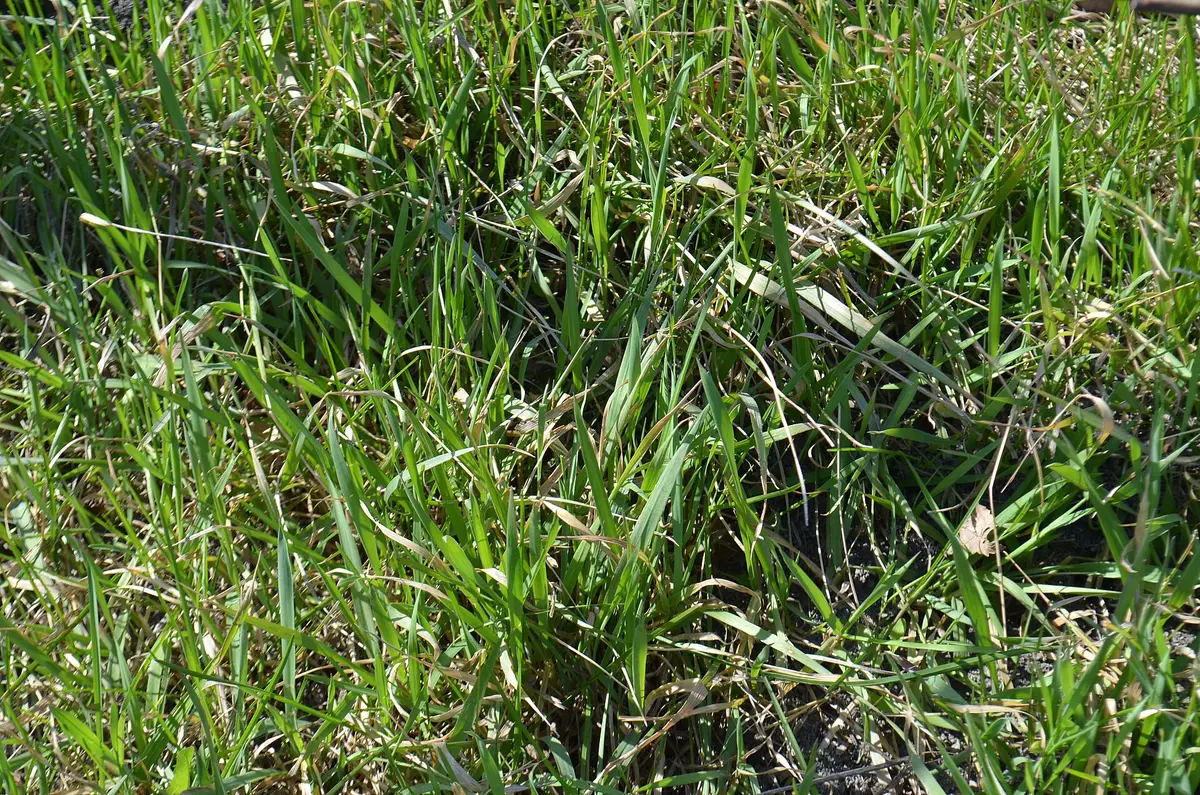
Which grass grows in Reading
Reading winters are cold enough (January averages 31°F) that cool-season grasses, mostly Kentucky bluegrass, tall fescue and perennial ryegrass, make up most lawns. They grow in spring and fall and slow down in summer heat.
Reading soil through the year
Weekly 2-inch estimates for 2026 so far against 2025 and the normal for each week. The red lines mark 50°F, when crabgrass pre-emergent should be down, and 65°F, when warm-season seed sprouts well.
2026 2025 Normal (2005–2025) 8 years in 10
Normal by month
| Month | 2 in | 4 in | Air |
|---|---|---|---|
| Jan | 35° | 36° | 31° |
| Feb | 35° | 37° | 33° |
| Mar | 42° | 43° | 42° |
| Apr | 53° | 54° | 53° |
| May | 63° | 64° | 63° |
| Jun | 73° | 75° | 72° |
| Jul | 79° | 80° | 76° |
| Aug | 77° | 78° | 74° |
| Sep | 70° | 72° | 67° |
| Oct | 58° | 60° | 55° |
| Nov | 45° | 47° | 45° |
| Dec | 37° | 39° | 36° |
Soil: average of our daily estimates, 2005–2025. Air: NOAA 1991–2020 normals for the station.
Typical lawn dates in Reading
Each date is when the soil estimate (or the air, for freezes) crossed the threshold, year by year since 2005. “Early” and “late” are the 10th and 90th percentile years, so 8 years in 10 fall between them.
| Event | Typical | 2026 |
|---|---|---|
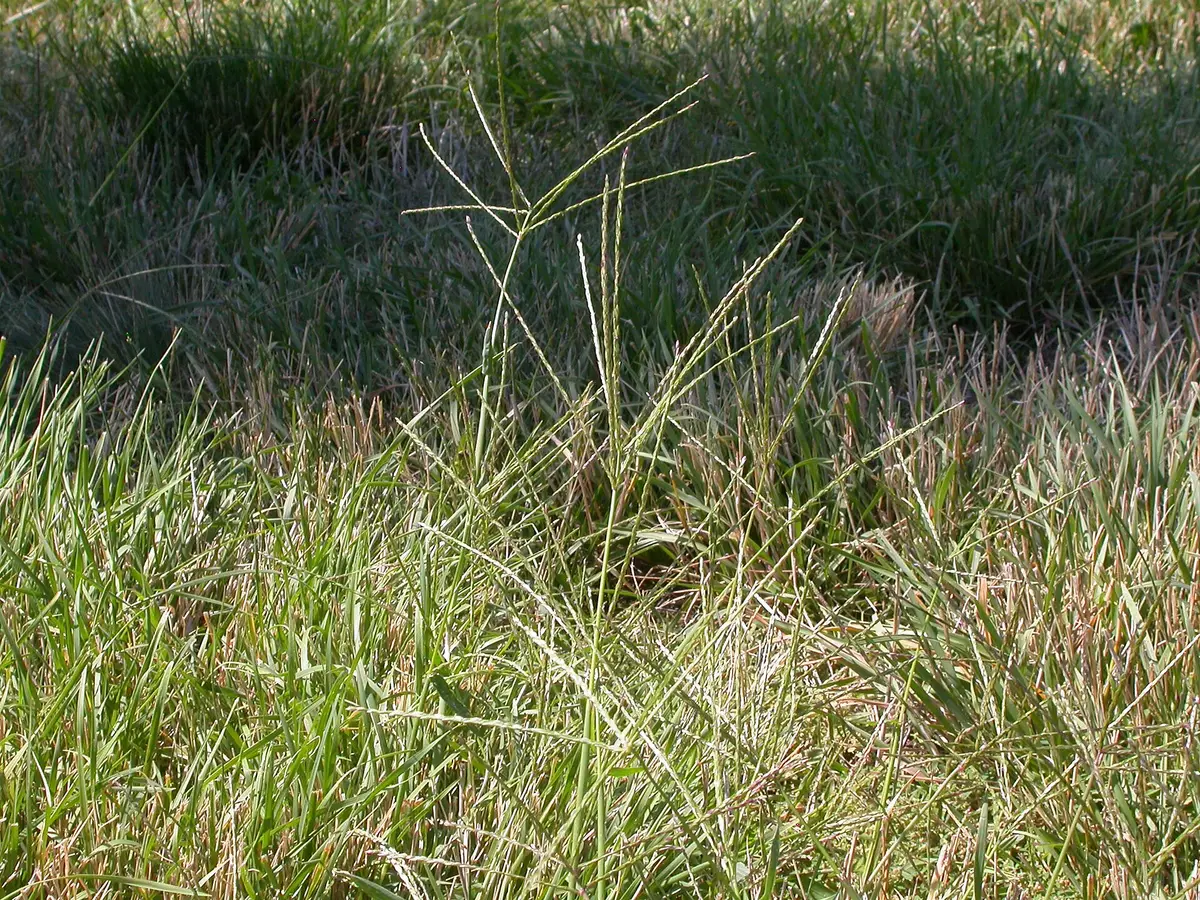
| Last spring freeze (32°F) | Apr 15 | Apr 21 |
| Crabgrass model: 250 growing degree days | Mar 6 | Mar 8 |
| Pre-emergent window opens (2-inch soil 50°F) | Apr 5 | Mar 12 |
| Crabgrass begins to sprout (2-inch soil 55°F) | Apr 17 | Apr 4 |
| Cool-season lawns start growing (4-inch soil 55°F) | Apr 16 | Apr 4 |
| Warm-season seeding opens (4-inch soil 65°F) | May 17 | Apr 19 |
| Cool-season seeding opens (4-inch soil under 70°F) | Sep 20 | Sep 24 |
| Cool-season seeding ends (4-inch soil under 55°F) | Oct 28 | Oct 25 |
| Warm-season grass goes dormant (4-inch under 55°F) | Oct 28 | Oct 25 |
| First fall freeze (32°F) | Nov 1 | Oct 18 |
| Roots stop feeding (4-inch soil under 40°F) | Dec 3 | not yet |
Where these numbers come from
There is no soil sensor in most cities, so we estimate it. Shallow soil follows air temperature with a lag of a few days, and runs a little warmer than the air in fall. We fitted that relationship to 190 USDA soil-sensor stations; on years held out of the fit, the estimate was off by 3.3°F on an average day, and it put the spring 55°F date within a median of 3 days. Read the methodology.
Weather: RCC ACIS station KRDG (READING REGIONAL AIRPORT), daily data since 1949. Forecast: National Weather Service, PHI office, issued Nov 4, 2026, 4:07 AM EST. Last observed day: Nov 3, 2026.
Reading questions
What is the soil temperature in Reading today? Our estimate for Nov 3 is 53°F at 2 inches and 54°F at 4 inches, as a daily average. Early-morning soil runs a few degrees cooler than that, and afternoon soil warmer.
When should I put down crabgrass pre-emergent in Reading? Apply when 2-inch soil holds about 50°F and before it holds 55°F. That has typically been Apr 5 to Apr 17 in Reading. For 2026 the window closed on Apr 4.
Is it too late to overseed in Reading? Late · risky. Soil fell below 55°F on Oct 25. Seed sown now germinates slowly and may not survive winter. The hard stop, 4-inch soil under 50°F, typically comes around Nov 7.
Is it too late to fertilize in Reading? Final feeding from about Nov 7. Not too late. Feed on your normal fall schedule; the last feeding of the year goes down when 4-inch soil falls to about 50°F (typically Nov 7) and before it reaches 40°F (typically Dec 3).
When is the last frost in Reading? The last 32°F night of spring has typically come around Apr 15, and as late as Apr 25 in 1 year in 10. The first fall freeze typically arrives around Nov 1.
Why 2 inches and 4 inches? Crabgrass and most weed seeds sprout in the top inch or two, so pre-emergent timing follows 2-inch soil. Grass seed and roots respond to the slightly steadier soil at about 4 inches.
How accurate is this? It is a model, not a probe in your yard. Expect about 3–4°F of difference on a given day; shade, slope, mulch and irrigation all move real soil. The dates and trends are more reliable than any single day.