Cool-season grass: late summer into fall
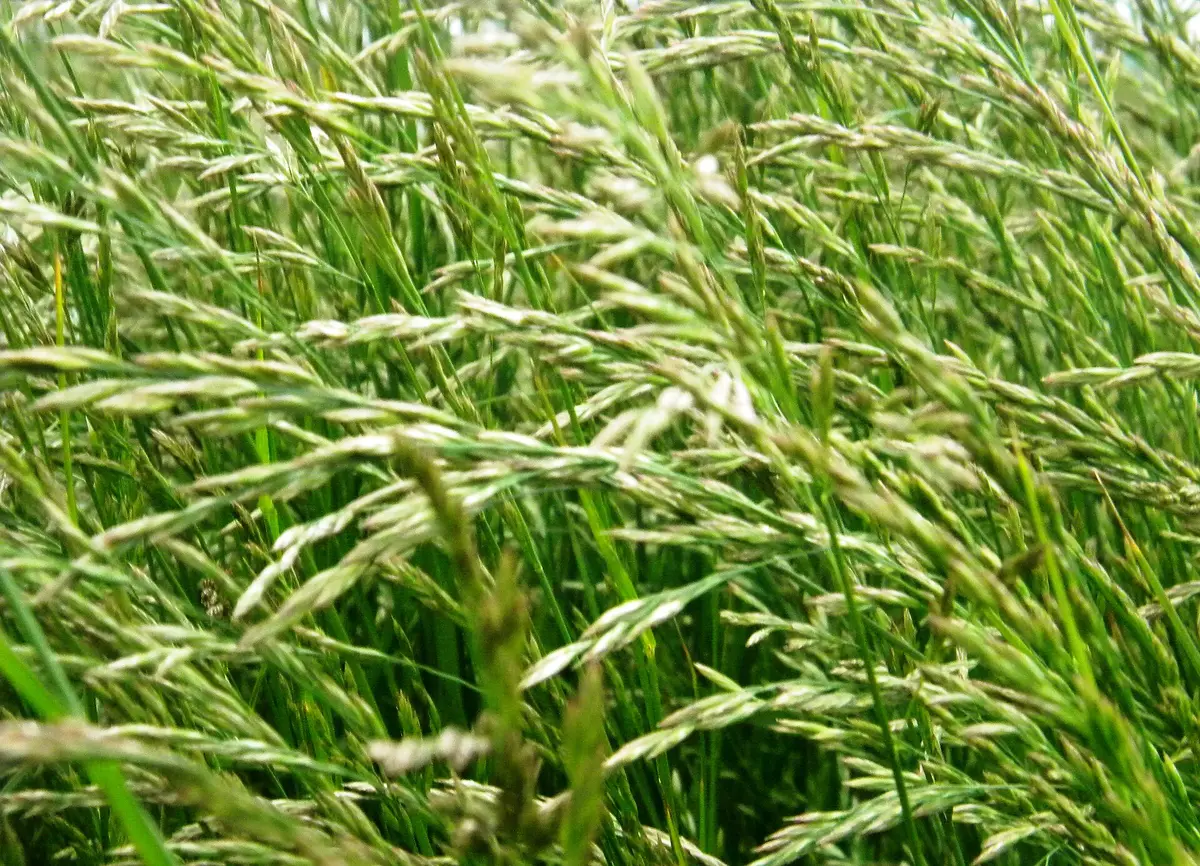
Tall fescue, Kentucky bluegrass and perennial ryegrass sprout fastest in warm soil, but their seedlings suffer in summer heat and from summer weeds. Late summer and early fall give both: soil still warm enough for quick germination and air cool enough for seedlings to grow roots before winter. The University of Kentucky gives roughly the third week of August to October 1 for that state (UK College of Agriculture), and NC State suggests waiting until night temperatures fall into the mid-60s (NC State TurfFiles).
We turn that into soil terms for each city. The window opens when the 4-inch soil's 7-day average falls below 70°F (and not before mid-August), and it ends when it falls below 55°F. Below about 50°F, tall fescue and bluegrass seed no longer develops into turf before winter (Rutgers). After that, the remaining choice is dormant seeding: spreading seed once soil is near freezing so it sprouts in spring.
Spring seeding works, with a catch
Seed sown once spring soil passes about 50°F will grow, but seedlings meet summer heat young, and most crabgrass pre-emergents also stop grass seed. If you must seed in spring, use a pre-emergent labeled safe for new seedings or skip it where you seed.
Warm-season grass: late spring into summer
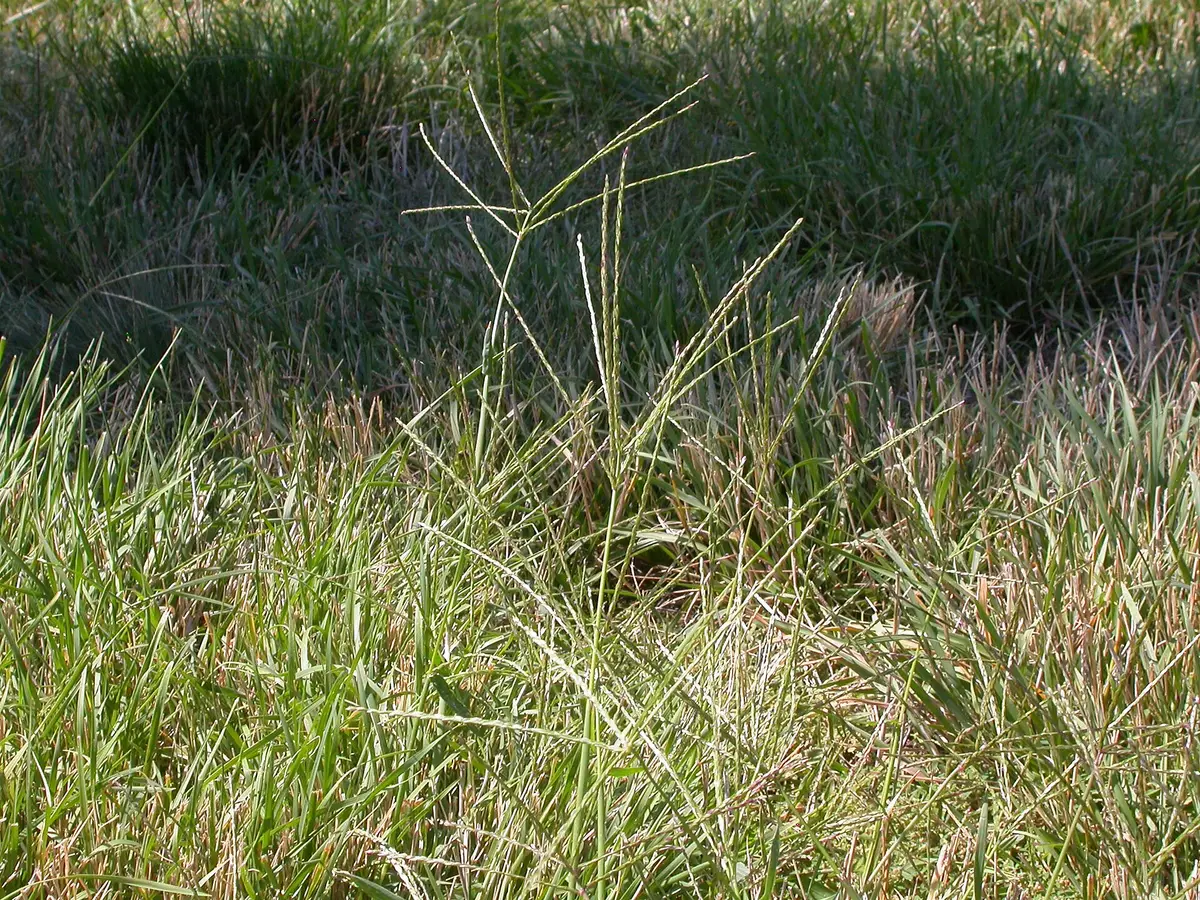
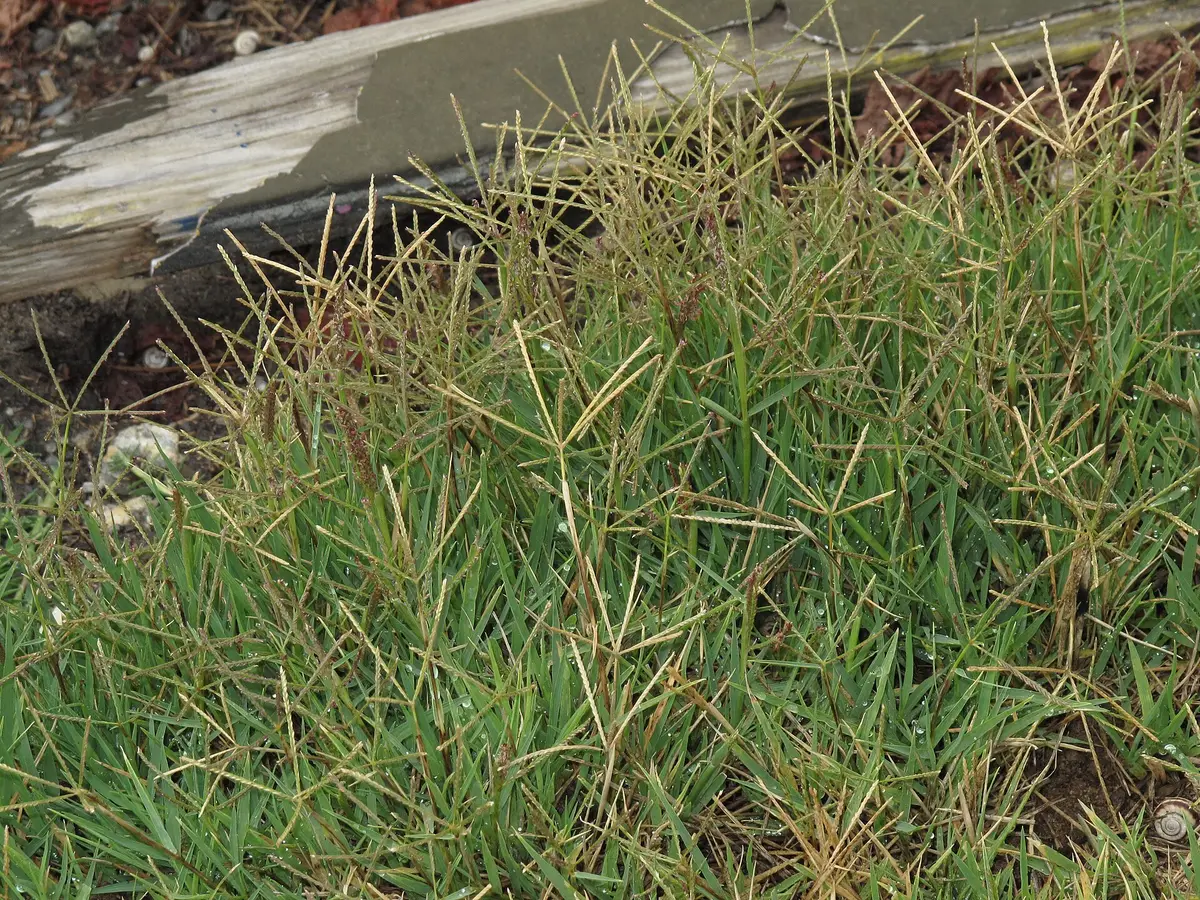
Bermudagrass, zoysia, centipede and bahia need warm soil. NC State Extension recommends seeding once the soil reaches 65°F (NC State Extension), and a University of Georgia specialist suggests waiting for 65°F at 4 inches for stronger seedlings. Seeding later in summer leaves less warm weather for new grass to establish before it goes dormant, so earlier is better once the soil is ready.