Soilclock

When to apply pre-emergent

Put it down when the top 2 inches of soil hold about 50°F, and before they hold 55°F. Here is when that happens where you live.

The short answer

Crabgrass seed starts to sprout once the soil near the surface stays around 55°F. A pre-emergent herbicide does not kill plants; it forms a barrier in the top layer of soil that stops seedlings as they sprout. So it has to be down, and watered in, before that happens. Extension specialists usually put the target at soil that has held 50 to 55°F at a 2-inch depth for several days (Michigan State University Extension).

Too early is a smaller mistake than too late. Products break down over a set number of weeks, so very early applications run out sooner in summer, but an application after crabgrass has sprouted does almost nothing to the plants already up.

Two ways to time it

Soil temperature

Our city pages estimate the daily average soil temperature at 2 inches and call the window open once the 5-day average reaches 50°F. It closes when the 5-day average reaches 55°F after enough spring warmth has built up. That second condition matters: a warm week in early March can push shallow soil past 55°F before crabgrass is ready, and the soil usually cools again.

Growing degree days

Michigan State's GDDTracker adds up daily warmth above 32°F from January 1 and puts the crabgrass pre-emergent window at 250 to 500 of those degree days (MSU GDDTracker; the University of Wisconsin's crabgrass timer works the same way). Every city page shows the running total for this year next to its normal.

The two methods usually agree within a week or two. Where they disagree, soil temperature tells you about this week; degree days are steadier against single warm or cold spells.

Before you spread it

  • Water it in. Most granular products need about half an inch of rain or irrigation within a few days to move into the soil.
  • Do not seed for a while. Most pre-emergents also stop grass seed. If you plan to seed in spring, choose a product labeled safe for new seedings or skip the pre-emergent in that area.
  • Read the label for how long it lasts. If your soil warms early and your summer is long, a second, split application keeps the barrier going.
  • Shade and slope change things. South-facing slopes and soil next to pavement warm a week or more before shaded lawn.
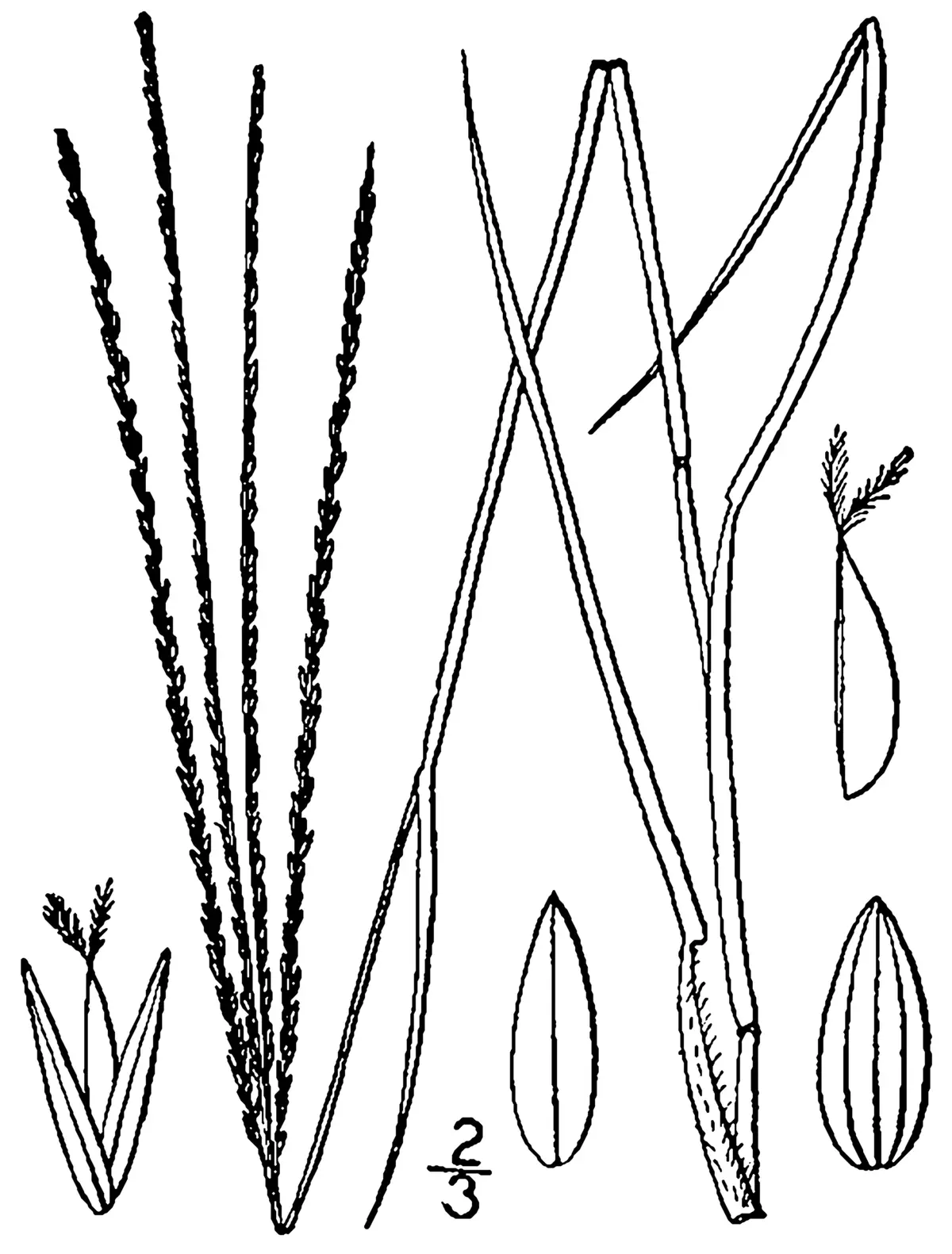
Botanical line drawing of slender crabgrass from 1913
Slender crabgrass, from Britton and Brown, An Illustrated Flora of the Northern United States, 1913.

The plants behind the dates

Crabgrass sprouts once shallow soil holds about 55°F. Bluegrass and fescue grow in cool soil, bermudagrass in warm soil. That is why one calendar never fits every lawn.

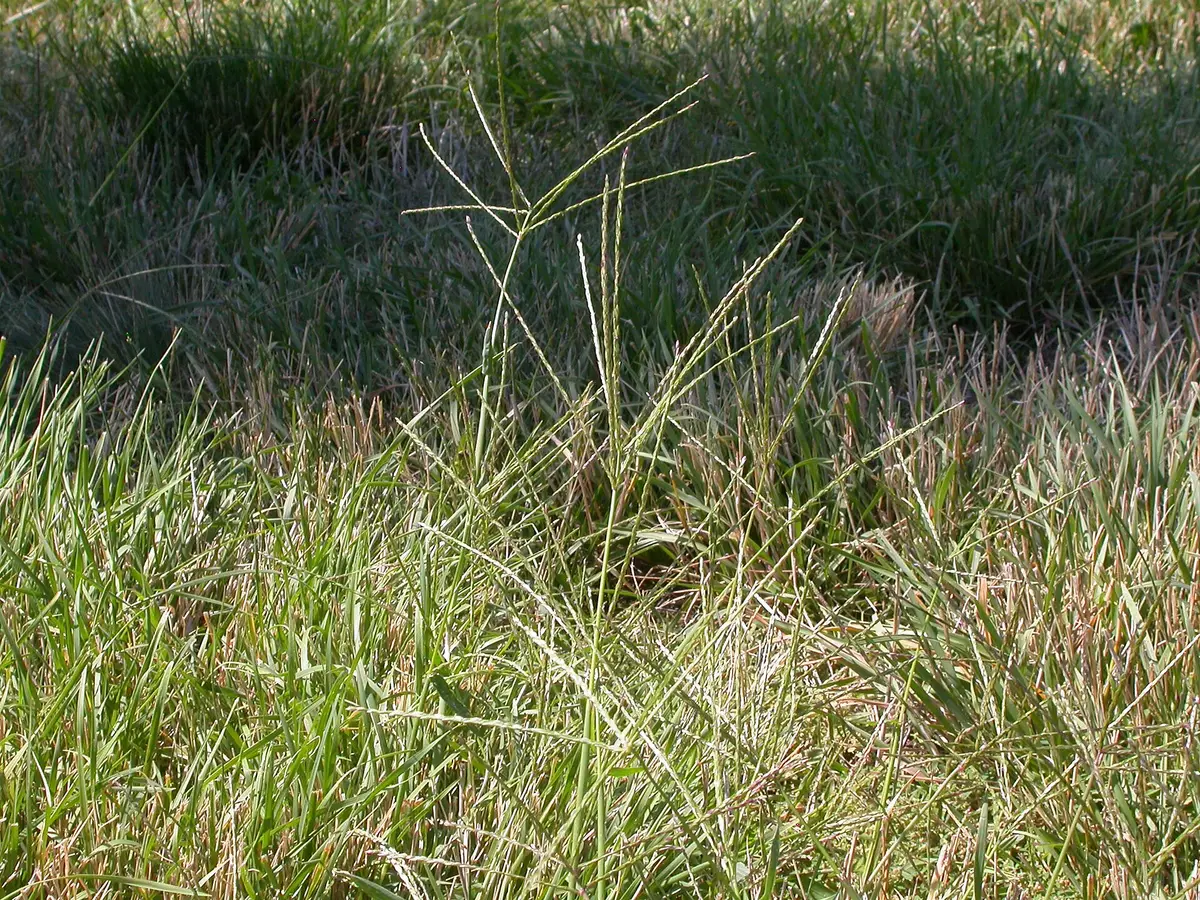
Large crabgrass with its spreading finger-like seed heads
Large crabgrass in seed. Each plant can drop thousands of seeds that wait for warm spring soil.
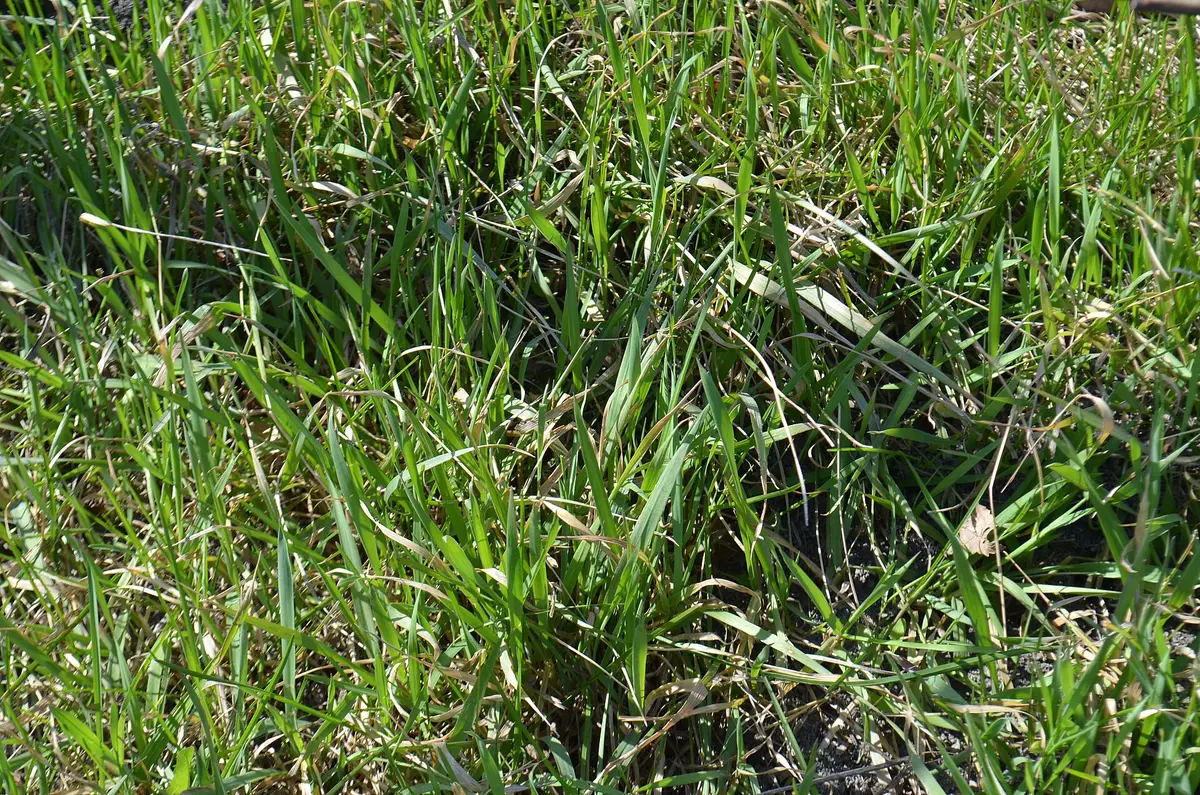
Close view of a Kentucky bluegrass lawn
Kentucky bluegrass, the most common cool-season lawn grass in the northern US.
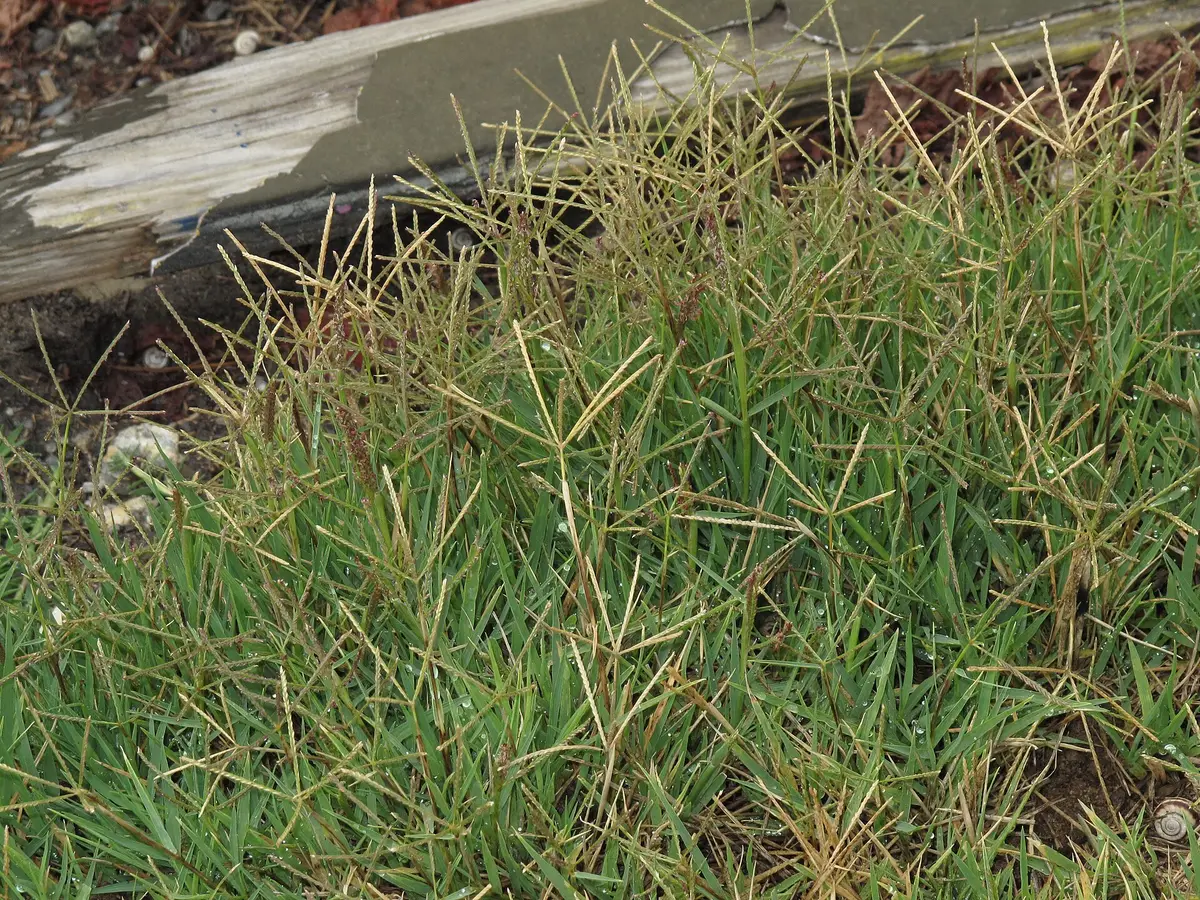
A low mat of bermudagrass with fine blades and seed heads
Bermudagrass, the warm-season grass behind most lawns from the Carolinas to Texas.

Typical window by state

The earliest and latest typical opening dates among each state's cities, worked out from 2005 to last year. Each city page has its own dates, this year's status and the 7-day outlook.

StateOpens firstOpens lastLatest close
Alabama early Feb · Mobile Feb 15 · Huntsville Mar 13
Alaska May 18 · Anchorage – Jun 6
Arizona early Feb · Phoenix May 4 · Flagstaff May 27
Arkansas Feb 16 · Little Rock Mar 6 · Fayetteville Apr 4
California early Feb · San Jose Feb 20 · Lancaster Apr 2
Colorado Apr 5 · Pueblo Apr 13 · Castle Rock May 11
Connecticut Apr 13 · Hartford Apr 15 · Waterbury May 3
Delaware Mar 27 · Wilmington – Apr 16
District of Columbia Mar 13 · Washington – Apr 3
Florida early Feb · Tallahassee early Feb · Gainesville Feb 20
Georgia early Feb · Savannah Feb 20 · Johns Creek Mar 14
HawaiiSoil rarely cools enough for a spring window
Idaho Apr 5 · Boise City May 1 · Idaho Falls May 18
Illinois Mar 31 · Springfield Apr 13 · Aurora Apr 24
Indiana Mar 14 · Evansville Apr 13 · South Bend Apr 23
Iowa Apr 6 · Des Moines Apr 13 · Waterloo Apr 26
Kansas Mar 13 · Wichita Mar 20 · Lawrence Apr 10
Kentucky Mar 13 · Louisville Mar 16 · Lexington Apr 10
Louisiana early Feb · New Orleans Feb 4 · Shreveport Feb 26
Maine Apr 27 · Portland – May 17
Maryland Mar 13 · Baltimore Mar 22 · Frederick Apr 15
Massachusetts Apr 16 · Boston Apr 21 · New Bedford May 8
Michigan Apr 12 · Detroit Apr 20 · Pontiac May 5
Minnesota Apr 15 · Minneapolis May 12 · Duluth May 25
Mississippi early Feb · Gulfport Feb 5 · Jackson Feb 25
Missouri Mar 13 · Springfield Mar 30 · St. Joseph Apr 13
Montana Apr 19 · Billings May 2 · Great Falls May 20
Nebraska Apr 5 · Lincoln Apr 6 · Omaha Apr 16
Nevada early Feb · Henderson Apr 2 · Reno Apr 23
New Hampshire Apr 17 · Manchester – May 1
New Jersey Apr 4 · Newark Apr 6 · Trenton Apr 20
New Mexico Mar 14 · Albuquerque Apr 7 · Santa Fe Apr 29
New York Apr 1 · Yonkers Apr 21 · Buffalo May 6
North Carolina Feb 12 · Fayetteville Mar 13 · Asheville Apr 4
North Dakota Apr 29 · Fargo May 1 · Bismarck May 12
Ohio Mar 24 · Cincinnati Apr 12 · Lorain Apr 27
Oklahoma Feb 24 · Lawton Mar 3 · Tulsa Mar 17
Oregon Mar 25 · Medford May 3 · Bend May 20
Pennsylvania Mar 27 · Philadelphia Apr 16 · Erie May 3
Rhode Island Apr 16 · Providence – Apr 29
South Carolina early Feb · Charleston Feb 23 · Rock Hill Mar 17
South Dakota Apr 13 · Sioux Falls Apr 23 · Rapid City May 15
Tennessee Feb 16 · Memphis Mar 15 · Johnson City Apr 4
Texas early Feb · Houston Mar 12 · Amarillo Apr 3
Utah Apr 1 · Salt Lake City May 2 · Provo May 12
Vermont Apr 24 · Burlington – May 6
Virginia Feb 25 · Suffolk Mar 15 · Lynchburg Apr 4
Washington Apr 1 · Kennewick Apr 22 · Spokane May 15
West Virginia Mar 15 · Charleston – Apr 6
Wisconsin Apr 16 · Madison Apr 22 · Milwaukee May 13
Wyoming May 2 · Cheyenne – May 21